
Amber’s platform roadmap is focused on expanding treatment possibilities for defined vertebral fracture segments where restoration, stabilization, and motion preservation matter. Future development priorities include physician-directed cement strategies, compatibility with posterior fixation workflows, and evidence generation to clarify patient selection and clinical value.
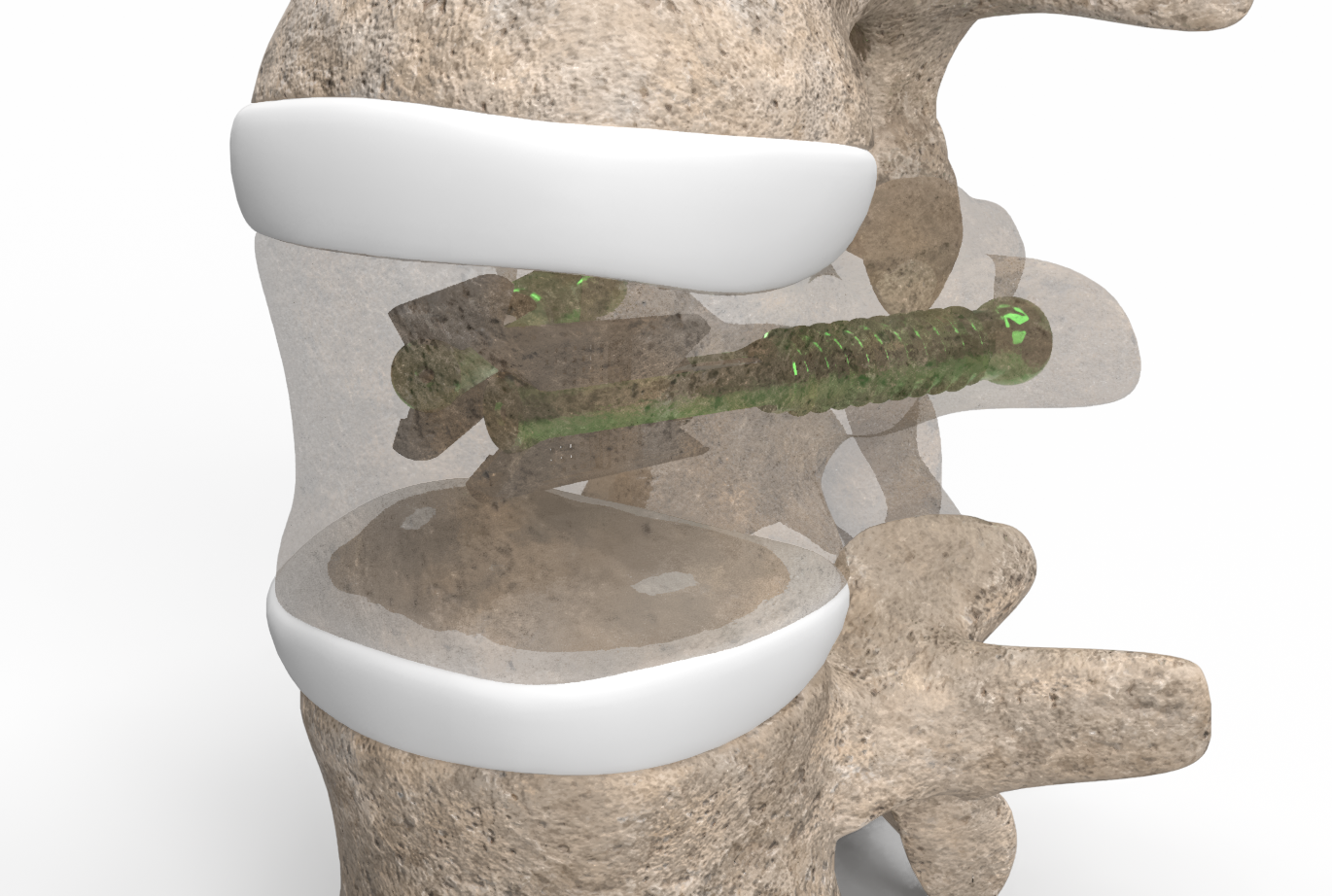
We are currently clinically investigating the VCFix® implant as a standalone device for treating vertebral fractures. (See EXPAND trial for more information.)
The goal is to validate that the mechanical strength of the VCFix implant is sufficient to be used without cement. This may reduce procedure time and avoid any risk related to cement leakage.
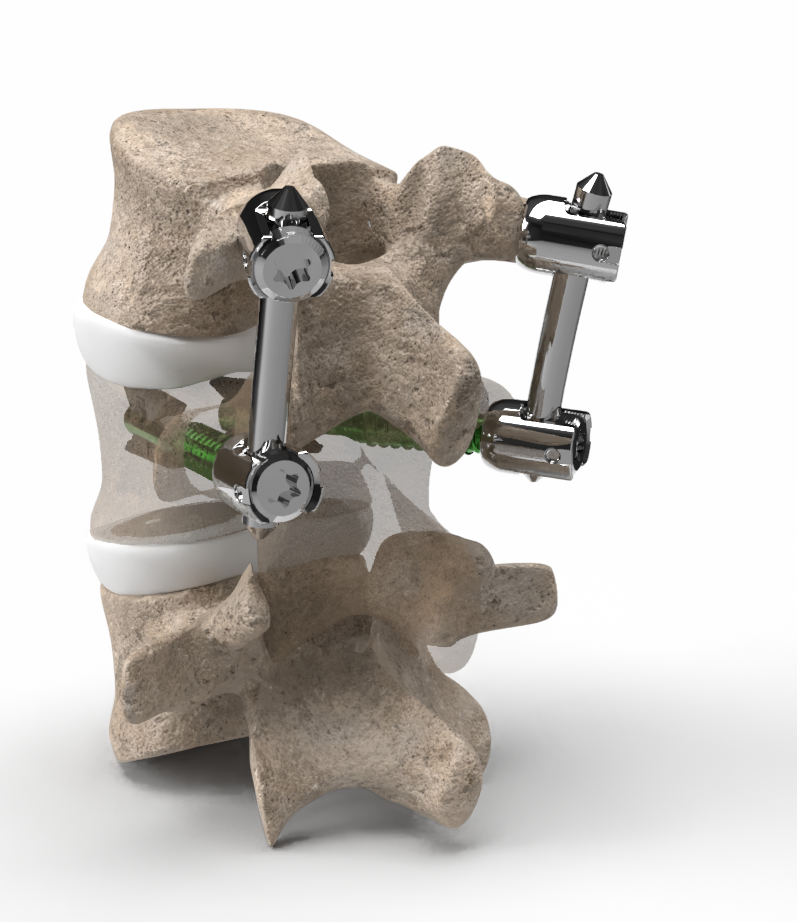
We are currently developing products that make VCFix® compatible with both short and long-segment posterior fixation. This design feature enables the treatment of incomplete burst fractures through single-level fixation located cranial to the fracture, thereby preserving an intact mobile segment that would otherwise need immobilization.
Validate the compatibility of VCFix® Spinal System with posterior fixation and as a standalone system. (See EXPAND for more information.)
Introduce VCFix® Spinal System with cement to the U.S. market.
Expand indications with U.S. and European regulatory agencies to include VCFix® Spinal System for use with select posterior fixation systems and VCFix® for use with Amber Implants’ own Spinoza® Fixation System.
Expand indications with U.S. and European regulatory agencies to include VCFix® Spinal System as a standalone device (with or without bone cement).
Planned submissions to obtain FDA and CE marking for the label expansion of VCFix stand-alone.
| Cookie | Duration | Description |
|---|---|---|
| cookielawinfo-checkbox-analytics | 11 months | This cookie is set by GDPR Cookie Consent plugin. The cookie is used to store the user consent for the cookies in the category "Analytics". |
| cookielawinfo-checkbox-functional | 11 months | The cookie is set by GDPR cookie consent to record the user consent for the cookies in the category "Functional". |
| cookielawinfo-checkbox-necessary | 11 months | This cookie is set by GDPR Cookie Consent plugin. The cookies is used to store the user consent for the cookies in the category "Necessary". |
| cookielawinfo-checkbox-others | 11 months | This cookie is set by GDPR Cookie Consent plugin. The cookie is used to store the user consent for the cookies in the category "Other. |
| cookielawinfo-checkbox-performance | 11 months | This cookie is set by GDPR Cookie Consent plugin. The cookie is used to store the user consent for the cookies in the category "Performance". |
| viewed_cookie_policy | 11 months | The cookie is set by the GDPR Cookie Consent plugin and is used to store whether or not user has consented to the use of cookies. It does not store any personal data. |

Please wait while you are redirected to the right page...